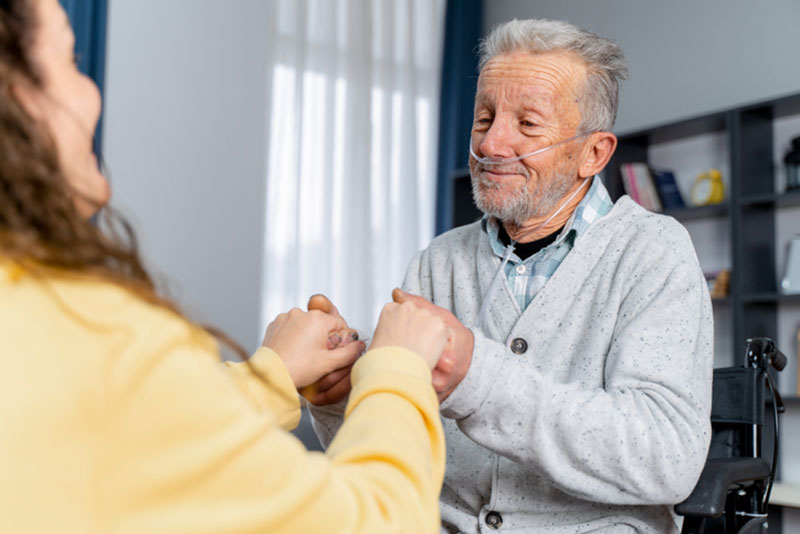

What is Daily Living Assistance?
Daily living assistance is a term for the support individuals receive to help them manage everyday tasks, allowing them to live safely, comfortably, and with dignity. For many, especially older adults or those with chronic health conditions, the ability to perform these tasks can diminish over time. This is where professional, compassionate support becomes invaluable, not just for the person receiving care, but for the entire family. These essential everyday tasks are formally known as Activities of Daily Living (ADLs).
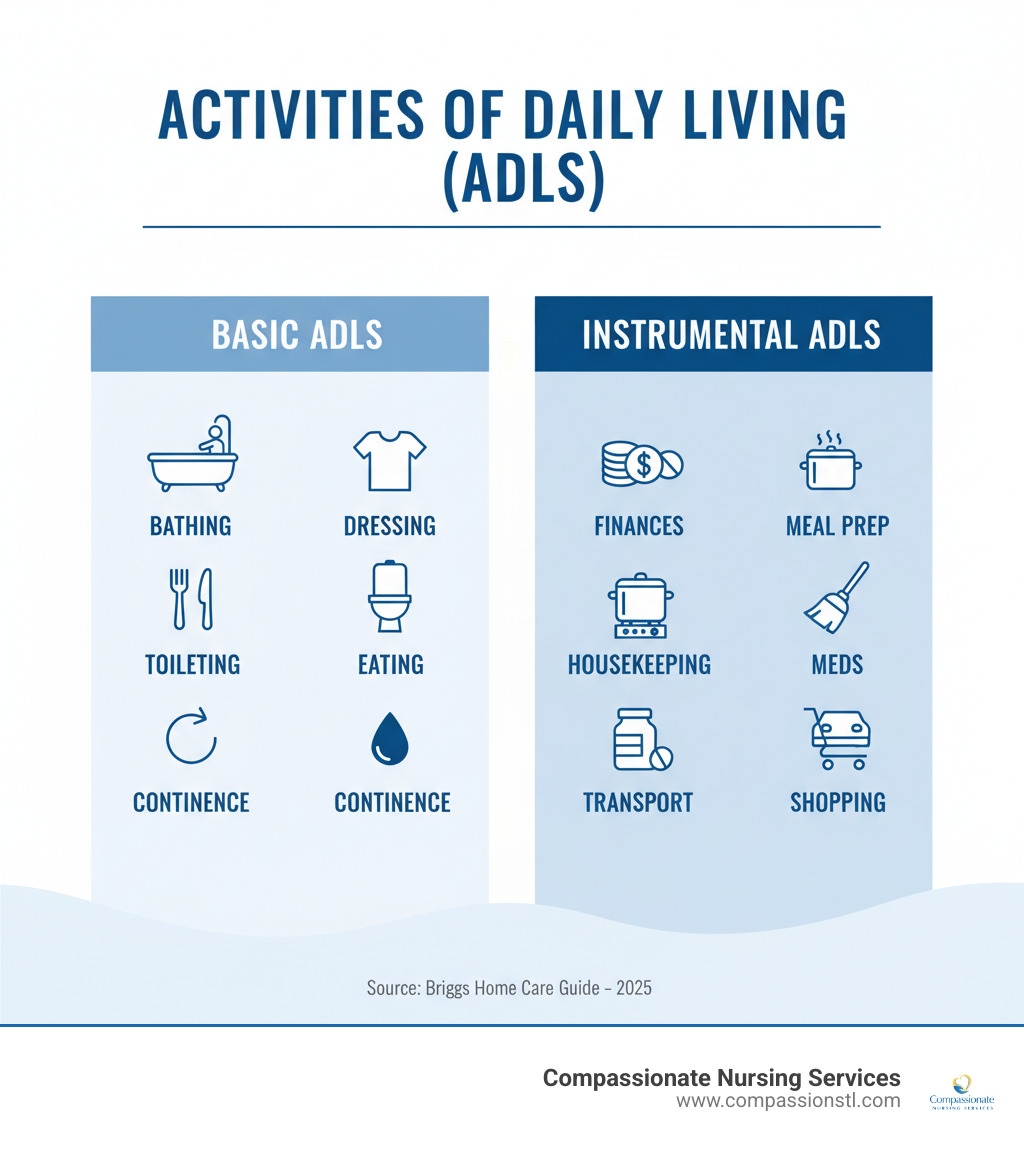
ADLs are divided into two primary categories, which help define the level and type of support a person may need:
- Basic ADLs (BADLs): These are the fundamental skills required for self-care and survival. They are the tasks we learn as children and often take for granted until they become challenging. They include:
- Bathing and showering
- Dressing and grooming
- Eating (feeding oneself)
- Using the toilet (toileting)
- Moving around (mobility or transferring)
- Maintaining continence
- Instrumental ADLs (IADLs): These are more complex activities that are necessary for living independently within a community. They require more intricate cognitive skills like planning, organizing, and decision-making. Examples include:
- Managing personal finances
- Preparing nutritious meals
- Housekeeping and home maintenance
- Managing medications correctly
- Arranging and using transportation
- Shopping for groceries and other necessities
Watching a loved one struggle with these tasks can be a difficult and emotional experience. You may feel a sense of responsibility, worry, or even helplessness. This guide is designed to provide clarity and direction, helping you understand the nuances of daily living assistance and how to find the right support system. The ultimate goal is always to improve your loved one’s quality of life and preserve their independence for as long as possible.
At Compassionate Nursing Services, we have spent years helping families in the St. Louis area steer these challenges. We believe that providing care is about more than just completing tasks; it’s about building relationships, fostering trust, and empowering both individuals and their families with a compassionate approach to well-being.
Daily living assistance also supports the goal of aging in place. Thoughtful, person-centered help can be scaled to meet changing needs: from a few hours a week focused on meal prep or transportation, to daily support with bathing and mobility, to around-the-clock care after a hospitalization. Just as important, it offers respite and reassurance for family caregivers who may be juggling work, children, and their own health.
Here are a few real-world ways this support shows up day to day:
- Morning routines: a calm, unhurried start that can include a safe shower, grooming, dressing, and a nutritious breakfast.
- Midday wellness: medication reminders, hydration prompts, light housekeeping, and laundry to keep the home comfortable and safe.
- Staying connected: help scheduling and getting to appointments, shopping for groceries, and enjoying social or faith-based activities.
- Family partnership: regular updates, collaborative care planning, and scheduled respite so family members can rest and recharge.
In Greater St. Louis, Compassionate Nursing Services works alongside physicians, hospital discharge teams, and rehabilitation providers to coordinate smooth transitions home. That continuity helps reduce risks like falls, medication errors, and avoidable readmissions, while keeping the person at the center of every decision.
Understanding the Foundations: What Are Activities of Daily Living (ADLs)?
When we talk about daily living assistance, we’re really talking about Activities of Daily Living, or ADLs. These are the fundamental tasks that allow a person to care for themselves and live independently. In healthcare and senior support, ADLs are the primary metric used to gauge an individual’s functional status. This isn’t a judgment, but rather a practical snapshot of how well someone can manage their daily life. A decline in the ability to perform these tasks, whether due to aging, a chronic illness, or recovery from an injury, is often the first sign that additional support is needed.
ADLs are generally broken down into two distinct categories, which helps caregivers and healthcare professionals pinpoint specific needs.
| Category | Description | Key Examples |
|---|---|---|
| Basic ADLs (BADLs) | Essential self-care tasks needed for survival and basic functioning | Bathing, dressing, toileting, transferring (moving around), continence, feeding, personal hygiene |
| Instrumental ADLs (IADLs) | Complex tasks needed for independent community living | Managing finances, meal preparation, housekeeping, shopping, managing medications, using the phone, transportation |
Understanding this distinction is vital. A person might be perfectly capable of handling their basic self-care (BADLs) but find the cognitive and physical demands of managing a household (IADLs) overwhelming. By assessing both categories, families and professionals can create a care plan that is truly person-centered, addressing specific challenges while promoting independence in areas where the individual still excels. This targeted approach ensures safety and improves overall well-being.
The Core Six: Basic ADLs
The foundation of daily living assistance is built upon six core activities. These are the most fundamental tasks for personal care and survival. When a person begins to struggle with these, safety and health can be at immediate risk.
Bathing: This includes not just washing but also getting in and out of the shower or tub safely. Fear of falling is a major barrier, and the warm, wet environment of a bathroom significantly increases this risk. Difficulty with bathing can also lead to poor hygiene, skin infections, and a decline in self-esteem.
Dressing: More than just putting on clothes, this involves selecting weather-appropriate attire and managing fasteners like buttons and zippers. This task requires fine motor skills, physical flexibility, and cognitive awareness. Assistance with dressing can prevent discomfort and ensure a person feels presentable and confident.
Toileting: This refers to the ability to get to and from the toilet, use it properly, and manage personal cleaning afterward. It is one of the most private ADLs, and needing help can feel embarrassing. Compassionate assistance is crucial to maintain dignity and prevent issues like urinary tract infections or skin breakdown.
Transferring: This is about mobility—the ability to move from one position to another, such as getting out of bed and into a chair, or standing up from a seated position. Weakness, dizziness, or poor balance can make transferring dangerous, making it a primary cause of falls among seniors.
Continence: This is the ability to control one’s bladder and bowel functions. Loss of continence can be physically uncomfortable and emotionally distressing, often leading to social isolation. Proper management and support are key to preserving dignity and quality of life.
Feeding: This is the ability to bring food from a plate to one’s mouth. It is distinct from meal preparation. Difficulties can arise from tremors, weakness, or swallowing problems (dysphagia). Ensuring a person can eat safely is critical for receiving proper nutrition and avoiding choking hazards.
Healthcare providers often use standardized tools like The Katz Index of ADL to create an objective assessment of these abilities, which helps in forming an effective and appropriate care plan.
The Next Level: Instrumental ADLs (IADLs)
While Basic ADLs are about fundamental survival, Instrumental ADLs are the bridge to living a full and independent life within one’s community. These tasks require a higher level of cognitive function, including planning, organization, and problem-solving.
Managing finances: This involves everything from paying bills on time and balancing a checkbook to avoiding scams and managing a budget. Cognitive decline can make this task overwhelming and put an individual at financial risk. It’s often one of the first IADLs where family members notice a problem.
Meal preparation: This goes far beyond simply eating. It requires planning a menu, shopping for ingredients, following a recipe, and safely using kitchen appliances like stoves and ovens. A decline in this ability can lead to poor nutrition, weight loss, or kitchen accidents.
Housekeeping: Maintaining a clean and safe home is essential for health and fall prevention. This includes tasks like laundry, washing dishes, vacuuming, and removing clutter. A neglected home can become a source of stress and pose significant safety hazards.
Shopping: This complex task involves making a list, getting to the store, navigating the aisles, making appropriate choices, and handling payment. It requires physical stamina, mobility, and sound decision-making.
Managing medications: This is one of the most critical IADLs for health. It requires remembering to take the right dose at the right time, refilling prescriptions, and monitoring for side effects. Errors in medication management can have severe, even life-threatening, consequences.
Using the phone: Using a phone or other communication device is a lifeline. It’s essential for scheduling appointments, staying in touch with loved ones, and calling for help in an emergency.
Transportation: The ability to get around, whether by driving oneself, using public transit, or arranging for rides, is key to avoiding social isolation. It allows a person to attend medical appointments, visit friends, and participate in community activities.
To evaluate these more complex skills, professionals may use assessments like The Lawton IADL Scale. This helps create a comprehensive picture of an individual’s abilities and where support could be most beneficial.
Turning ADL and IADL assessments into action
Assessment findings are most powerful when they translate into a clear plan. A practical process usually includes:
- Setting goals that matter to the person, such as showering safely three times per week or walking to the mailbox daily.
- Matching each limitation with a targeted support, like grab-bar installation for bathing, adaptive clothing for dressing, or a pill organizer and reminders for medications.
- Determining frequency and timing of visits based on energy patterns, medical needs, and routines.
- Reassessing at regular intervals or after health events to adjust the plan, with input from the person, family, and clinicians.
Practical tips to support independence at home
- Simplify the environment: reduce clutter, improve lighting, and keep frequently used items within easy reach.
- Improve bathroom safety: non-slip mats, shower chairs, and hand-held shower heads.
- Choose adaptive clothing: elastic waistbands, Velcro closures, and slip-on shoes can make dressing easier.
- Streamline medications: use a single pharmacy when possible and a labeled weekly pillbox; pair reminders with daily routines.
- Plan meals ahead: keep nutritious, easy-to-prepare options on hand and consider batch cooking to reduce daily effort.
Dignity Through Person-Centered Care
Effective daily living assistance goes beyond just tasks. It’s about empowering individuals. By honoring personal preferences, respecting privacy, and moving at a comfortable pace, caregivers build trust and preserve dignity. This person-centered approach ensures support truly improves independence and overall well-being.